
War Photographer
Photojournalists in the Field

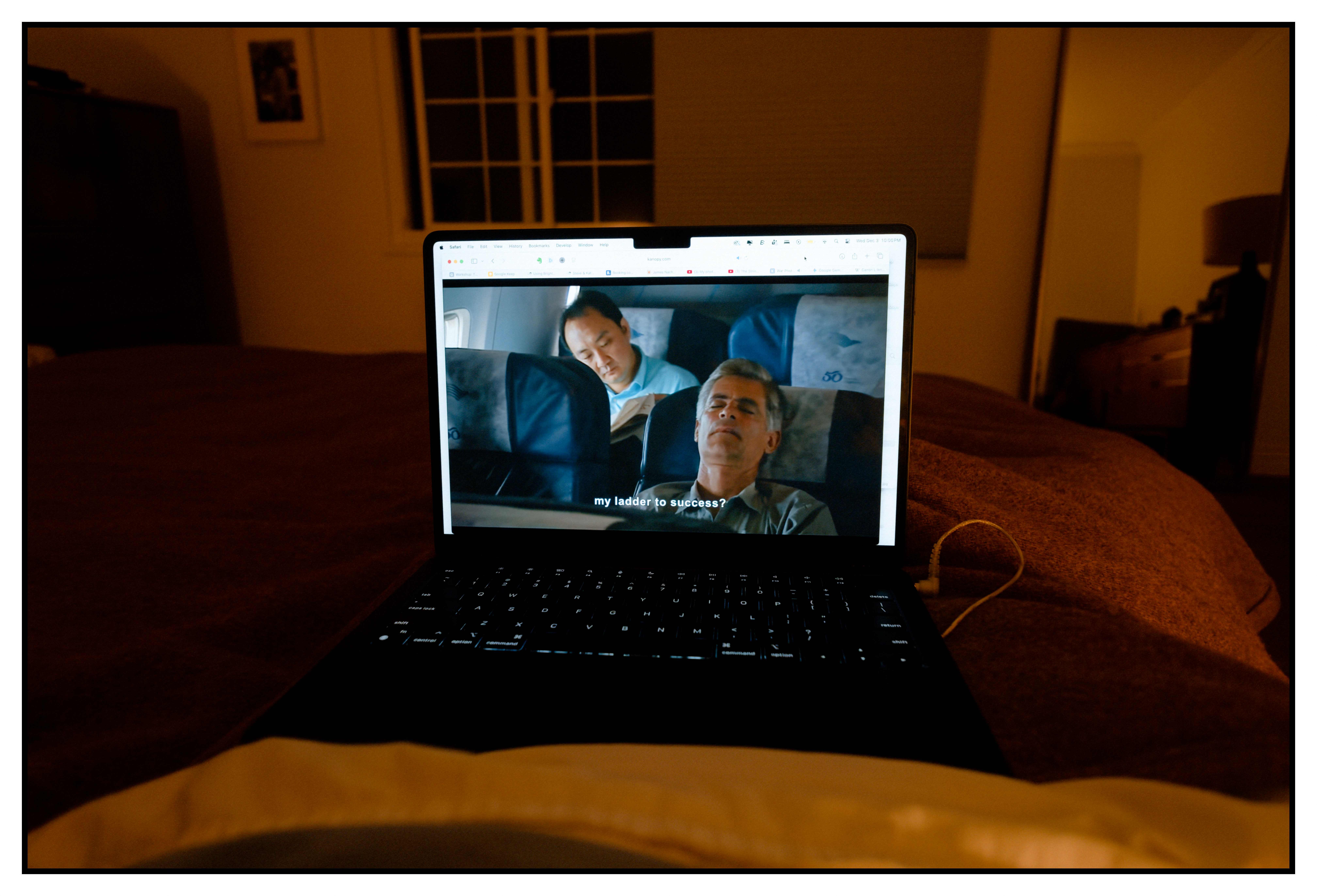
I have spent most of my life quietly obsessed with photojournalism, and James Nachtwey has always been a giant in my head. So the fact that I somehow never knew about the documentary War Photographer until this week (two decades after its release) feels like an oversight of the highest order.
This is a genuinely remarkable film, one that immerses you in the experience and vision of James Nachtwey through long takes and conflicts across the globe. The opening is striking and sets the tone for how the rest of the film will play out. There isn’t a line of dialogue for the first fifteen minutes, and there isn’t a great deal in the film overall. You are simply dropped into Nachtwey’s world and trusted to follow.
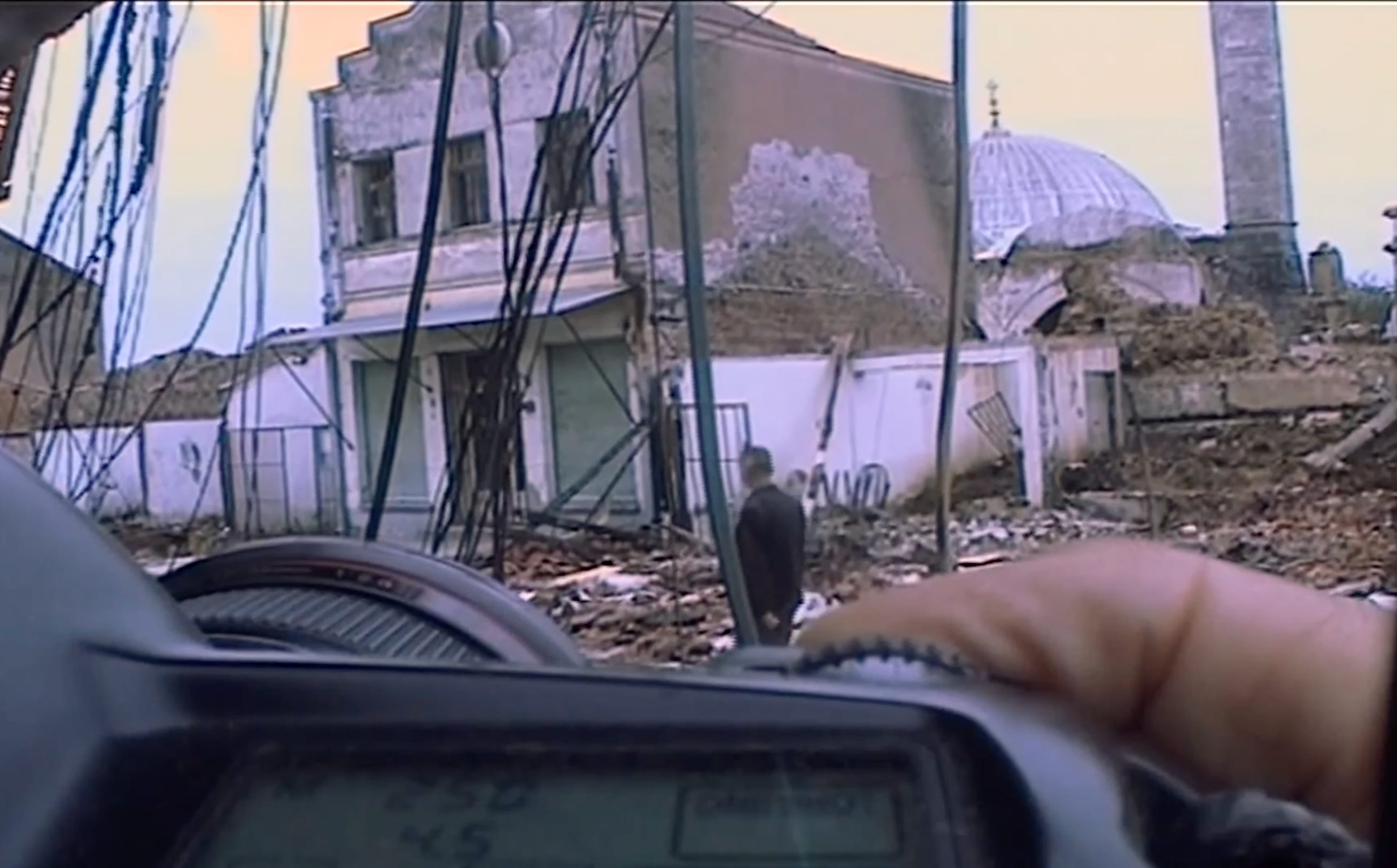
The sequences are hypnotic, upsetting, and remarkable, largely due to a filming technique that seems shockingly ahead of its time. This film was shot from 1999 to 2000, and the director mounted a tiny micro-film camera onto Nachtwey’s SLR for pre-GoPro POV shots. You see the barrel of the lens and Nachtwey’s finger adjusting shutter speed and actuating the shutter. You see how close he stands to grief, and how that grief looks back at him.
It’s in these moments that I felt a deep discomfort I hadn’t expected. Nachtwey gets so close to his subjects and the camera is so present that his subjects must be acutely aware of being photographed. This was the era of film, before camera phones and easily accessible digital bodies turned documentation into an ambient condition, but it raises questions for me, both then and now, that I haven’t been able to shake: What does it mean to be photographed? What is witnessed versus what is performed?
The film documents unrelenting tragedy, and I’m not suggesting the pain isn’t real or that the suffering is manufactured. But can we avoid some degree of self-presentation when we know we’re being watched? Even in extremis, do we negotiate how we’re seen? I don’t have answers, only the discomfort of the questions themselves. And that is another essay for another time, so let’s move to easier and more palatable subjects, like gear.
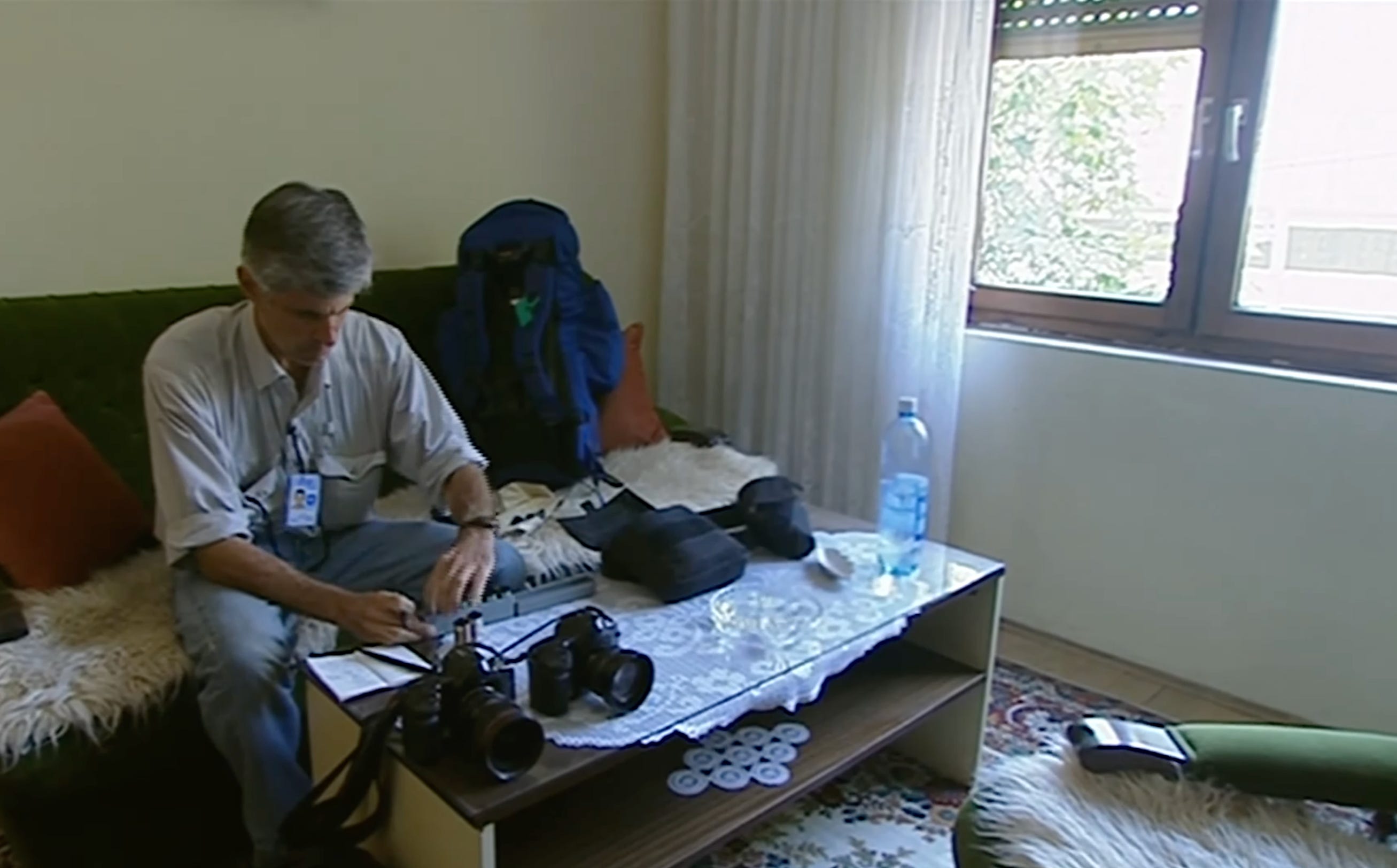
Nachtwey keeps his kit light (for the film days) and simple. I loved seeing him with his two camera bodies and two lenses, some cleaning cloths, a couple of tidy hip sacks, and a minimal backpack. He has spoken often about not wanting gear to become a barrier between him and his subjects, and it shows. You feel that discipline in every one of his frames. He uses what he needs and ensures that nothing complicates things or creates any distance.
While not a huge part of the film, I also appreciated the inclusion of the news correspondent Christiane Amanpour. For anyone around in the 2000s, she was a massive presence on CNN, and her commentary shifts the emotional register of the film. She brings a female perspective into a journalistic narrative that has historically been framed almost exclusively by men, reminding us that seeing and telling are two different acts, and that who does the telling helps shape the meaning.
It also happens to be a female photojournalist who brought me to this film to begin with. While listening to an interview with Lynsey Addario discussing her new documentary Love + War, which I very much enjoyed, she mentioned that the reason she wanted to participate in a documentary was because she didn’t feel other films had gotten it right.
“Maybe that’s not fair to say,” Addario said in the interview, “because, obviously, a documentary on a man like Jim Nachtwey—War Photographer—was brilliant, and Jim is brilliant…. And I think the image that most people have in their heads of war photographers is like Jim—you know, stoic, strong…. And I rarely see the picture of a woman depicted in that role as a war photographer, and so I really wanted to show a different version.”
Watching Addario grapple with fear, survival, and the mental calculus of conflict zones, not only in war, but at home, made Love + War a rich and important addition to the canon of great photojournalism documentaries. I am so grateful for all of these stories and glimpses into a life I once thought I might lead.
The life I lead now is right for me, as I would never have had the toughness to endure the life of a conflict photographer. But I can still be passionate about justice and civility and compassion and humanity, and employ my camera to further those things in my own small way as I watch the remarkable professionals who have dedicated, and in some cases, given their lives to this work on a larger stage. Dark circumstances can give way to illuminating frames of remarkable beauty and power, which is why I wanted to share this with you here.
Go Watch and Listen
1. War Photographer (2001) The documentary directed by Christian Frei. It is a meditation on the psychology of war photography as much as a film about war itself. Also vailable on Kanopy in the US (via your local library) and various rental platforms
2. Love + War (2025) Addario’s own documentary work, which pairs beautifully with War Photographer as a modern counterpoint and continuation of the lineage.
3. Lynsey Addario on Fresh Air The conversation that started this thread for me. She discusses her new film Love + Warand the realities of covering conflict.
4. James Nachtwey’s TED Prize Wish An incredible speech where he articulates his mission: “I have been a witness, and these pictures are my testimony.”
I have the DVD since this documentation was nominated for an oscar in 2002. Very intense & uniqe at that time (to see this once again)
My friend in Vancouver - Angela Fama - coined the term mirrorface. I think. It is that expression you put on, the mask you wear, as you check yourself in the mirror in the hall before opening the front door. It is why I don't like asking people for photographs, or press the shutter when I see someone has caught on that I am making their picture. Personally, I don't like it, and it influences what I perceive in an image, a portrait or elsewhere. It is why we pay the great actors the big bucks to 'look natural'. We all have at least two faces, some probably more.
I always struggle with these handheld, motion active, camera views. They make me dizzy. Hard to focus with so much movement, but it is a spooky film. I know for sure, I couldn't do it. In fact, you couldn't pay me to do it.